
A fool and his money are soon parted.
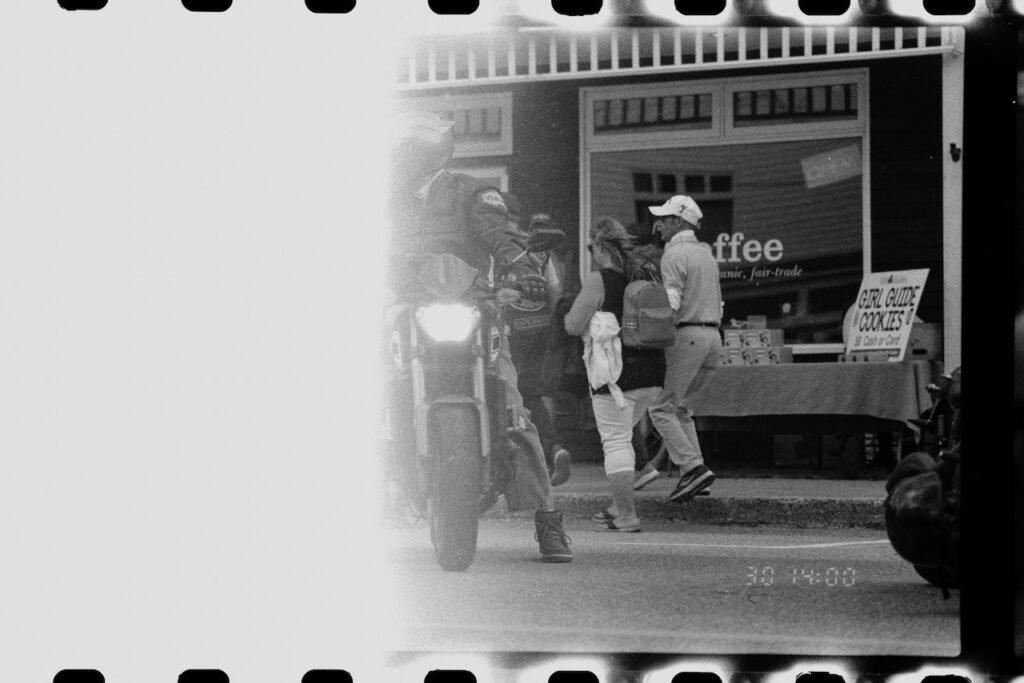
The trouble started when I happened across an old digital camera on eBay–an ancient Sony Mavica of the vintage that I had used as my first digital camera in junior high Tech Ed. Between that and copious amounts of vibes-laden Instagram posts, my attention quickly drifted to film.
Over the years, I had already picked up a handful of very cheap 35mm cameras for my little shelf collection, but soon, a strange and novel thought occurred to me: what if you bought a film camera that was theoretically known to function, then used said camera as a camera instead of a decorative paperweight?
I hadn’t shot on film in 20 years; I’d left it behind in favour of digicam point-and-shoots in my university days and never looked back. It was digital that really enabled me to take up photography as more of a hobby, and I graduated quickly to digital SLR’s. I thought if I ever picked up film again, it would need to be something with a real technical advantage of sorts, like medium format film. But people are constantly posting beautiful photos on the ‘gram; surely I now had enough technical ability to dally-oh, just a passing dalliance-in the world of film.
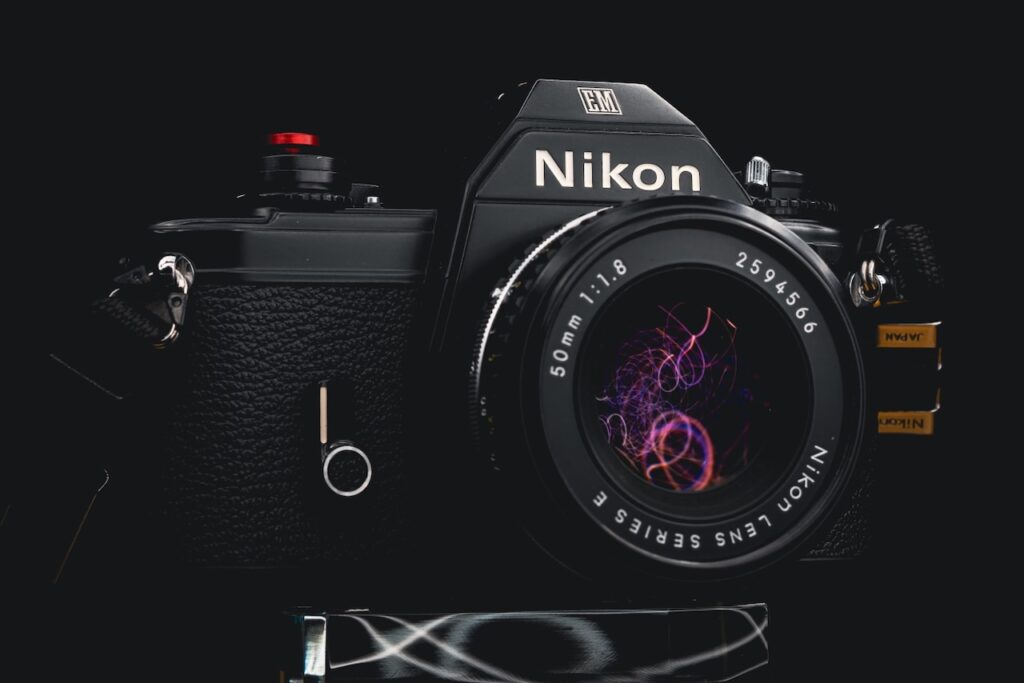
As devices, many of the old cameras really do have a satisfying charm to them that I didn’t experience using plastic fantastic compacts in the 1990’s and early 2000’s. I think they finally made me understand the appeal of a classic car as something to drive, rather than just an art object. The bells and whistles may not be there, but the heavy metal and the satisfying simplicity and ka-chunks really feel more material and involved. The build quality on the film SLR’s I’ve used ranged from reassuring to serviceable self-defence bludgeon, and was impressive even on the ‘SLR for dummies’ entry-level lines like the Nikon EM. It was also kind of fun to be able to (partially) open the devices up and clean them, even if the process of reapplying strips of 2mm adhesive-backed light seal foam was maddening.
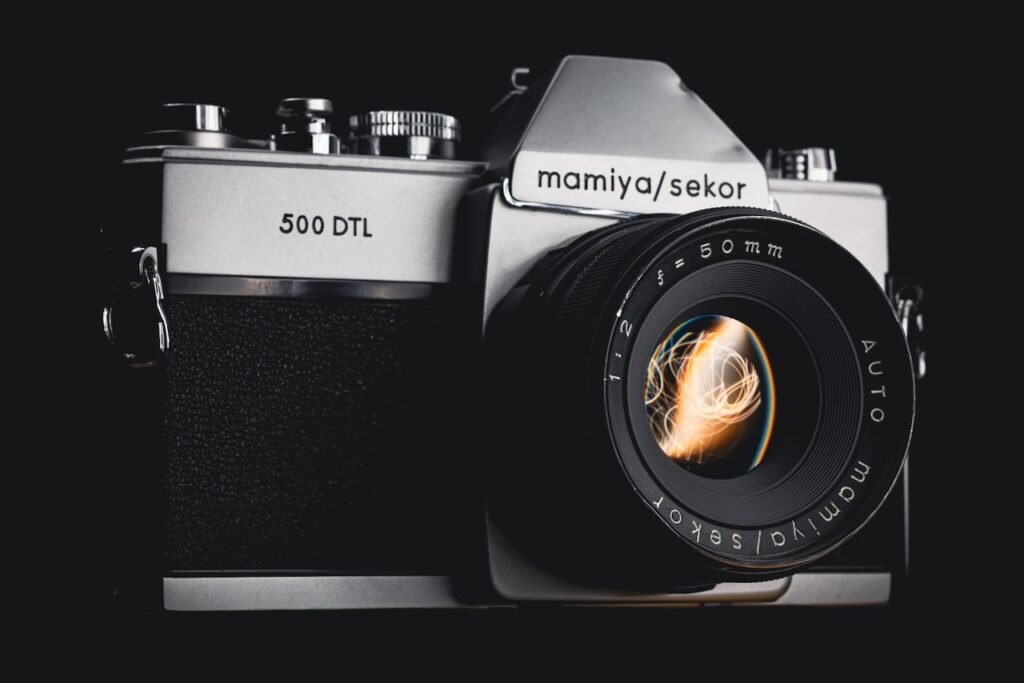
My experiences varied. I loved shooting with a Minolta Hi-matic F compact rangefinder, powered by some cardboard and tinfoil hearing aid battery adapters at first, until it seemed to shed its mortal coil just at the end of the first roll of film, jamming badly and jarring something loose. I’m hesitant to tear it apart to investigate. The Nikon EM, a very ‘in between’ solution, was pleasant enough, although the focussing wasn’t quite as fun and easy as the rangefinder, to me. The oldest camera I tried, a Mamiya Sekor 500 DTL, has been frustrating to use given its janky film advance lever and light meter, both of which operate more like ‘suggestions’ in my copy.
I quickly said: Wait a minute. What if I also just spent a small amount of money on a good one that I know for sure actually works easily?

Enter a Nikon F90X, freshly imported from Japan and mostly immaculate despite its early 1990’s provenance. It instantly felt right, offering ergonomics more or less similar to my modern Nikon DSLR’s, not to mention solid lens compatibility, and boasted decent autofocus and some electronic wizardry unavailable on those old classics. It quickly became my analog workhorse. It was also something of a revelation: none of my modern digital Nikons are full-frame, so it was interesting to see some of my lenses (especially the vintage Sigma fisheye I eBayed earlier this year) as they were meant to be seen.
Nostalgic Illusions
I knew a few things going in, but the realities of film quickly became even more glaringly obvious:
- A good photographer is a good photographer; today’s bumper crop of talented film shooters aren’t good because of the film.
- Everything looks good compressed nicely for social media previews or YouTube tutorials. The reality up close is a little bit different.
- There’s definitely a gulf in quality between medium format (which I still haven’t tried) and modest old 35mm film.
Most of my first few rolls were decidedly blah. Shooting scenes I would usually shoot digitally didn’t make them inherently interesting, other than imbuing them with a little more warmth. Even with very sharp camera glass, the detail was wonting even compared to some of my pre-2010 digital cameras.
The Films
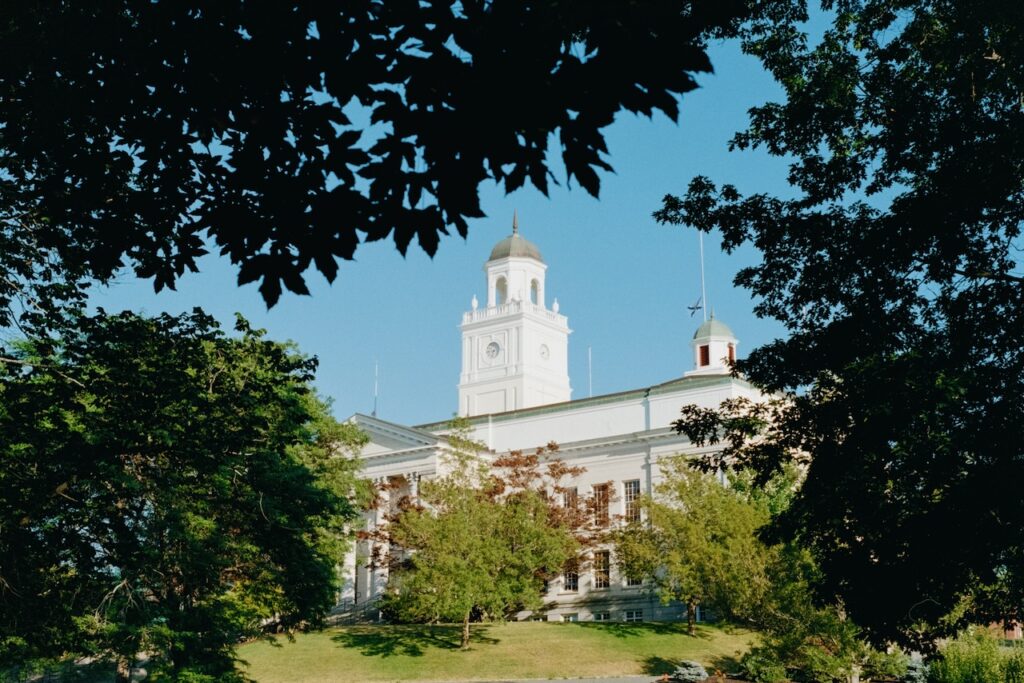
Kodak Gold 200 served as my measuring stick and default option, but my attention quickly turned to a variety of films to attempt to capture vibes.
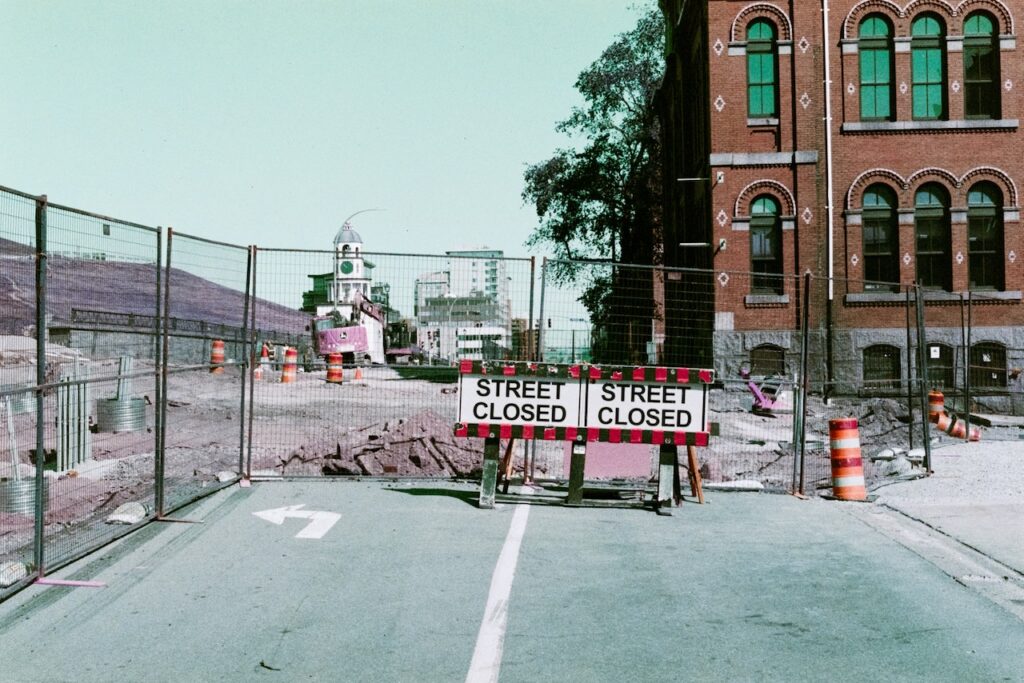
Lomography Lomochrome Purple 400
I had high hopes, but I found this gimmicky film from the venerable Lomography to be disappointing. I could only really get the most out of its false colour purple aesthetic in nearly forest settings.

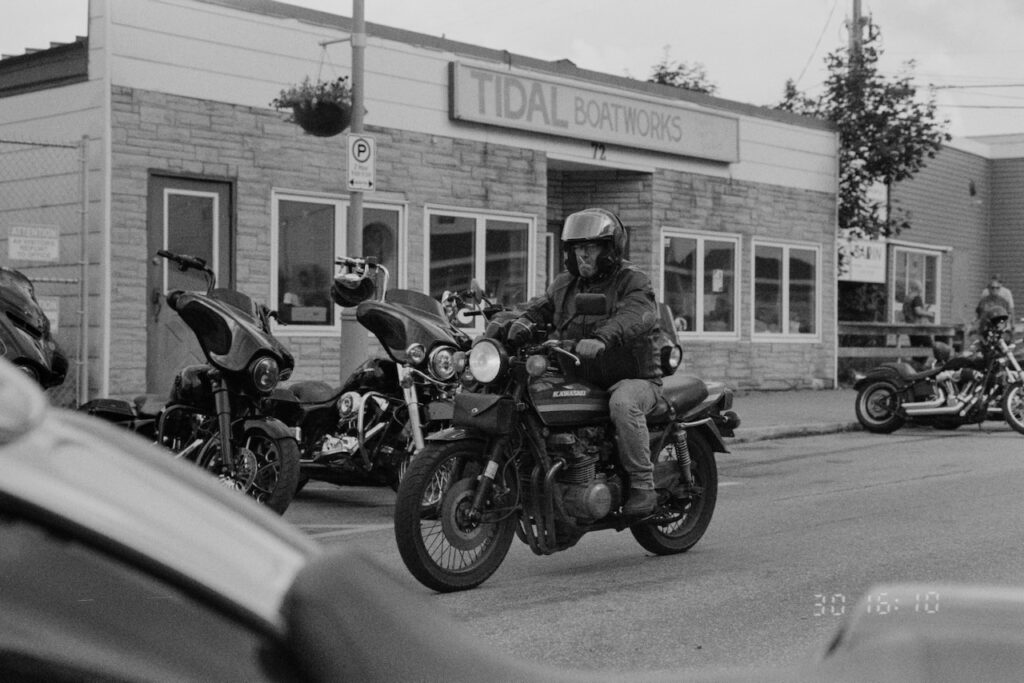
Flic Film Street Candy ATM 400
Made out of repurposed ATM surveillance camera film (!), this grainy film felt dreary and wasn’t technically impressive, but occasionally served as a fitting choice. More recently, I’ve used Agfa APX 400 monochrome film, which I think I preferred.
Learnings
The art of selectivity
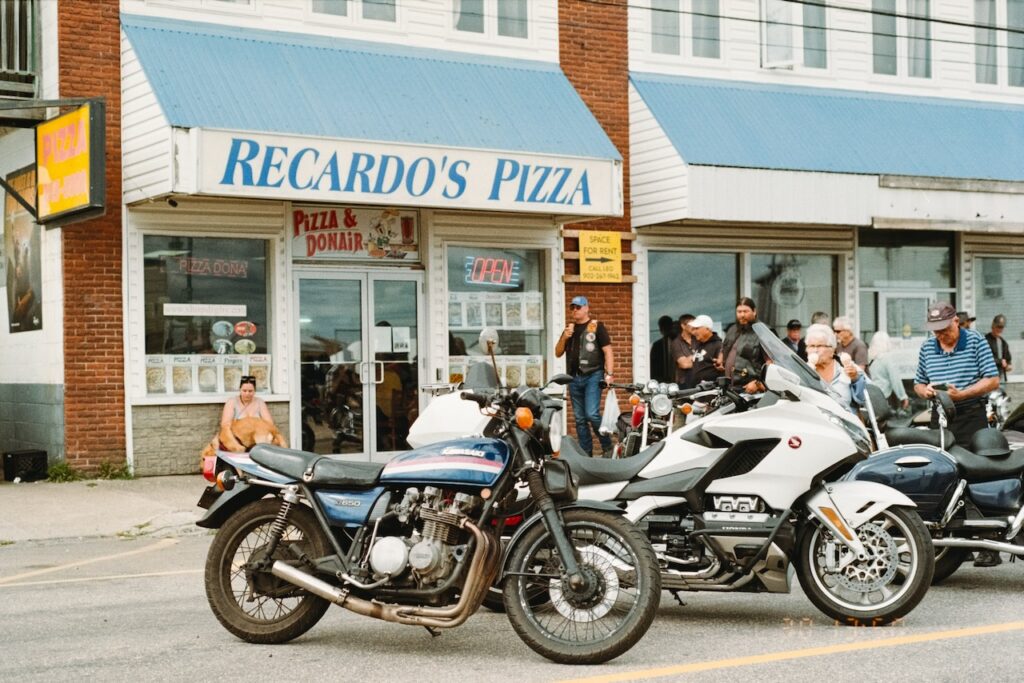
For cost reasons alone, I knew I had to pick my battles, but as the summer wore on, I started to become more and more selective with what I used film for. I largely settled on downtown, urban scenes where I wanted some grit, as well as vintage-related environments like the racetrack.
In a few specific cases, the creative constraint of having only a few dozen shots instead of thousands really forced me to slow down, observe, and choose shots more sparingly. It’s something I struggle with when shooting digitally.

Forgiveness
Whereas digital photos (especially RAW files) offer a lot of latitude with shadows, they tend to struggle with blowouts. Conversely, film loves to drink up light and is more forgiving with overexposure. I shot some very harsh, midday environments where the warmth and gentleness of film served me well.


The Future
I plan to pick film back up later in the spring, likely for those same kinds of urban subjects. However, I think I’ve learned enough that I might be able to justify buying some ‘pro’ grade films like Kodak Portra to dabble with, albeit very selectively.
For a lot of the macro and sports photography that I enjoy, film just flat out does not make sense from a performance and cost perspective. However, the feel is difficult to describe and difficult to capture digitally, and I think it makes sense to explore things a little further.
Leave a Reply